|
Kimono
-
When people think of traditional Japanese clothing, images of kimonos first pop into their minds.
-
The kimono (着物) is a Japanese traditional garment. It is a symbol of traditional attire of Japan.
The kimono consists of four main strips of fabric―two panels covering the body and two panels forming the sleeves.
The kimono history goes back more than 1000 years. The earliest kimonos were heavily influenced by traditional Han Chinese clothing, known today as hanfu.
The kimonos are various and change constantly in designs, color and texture in thousands years.
-
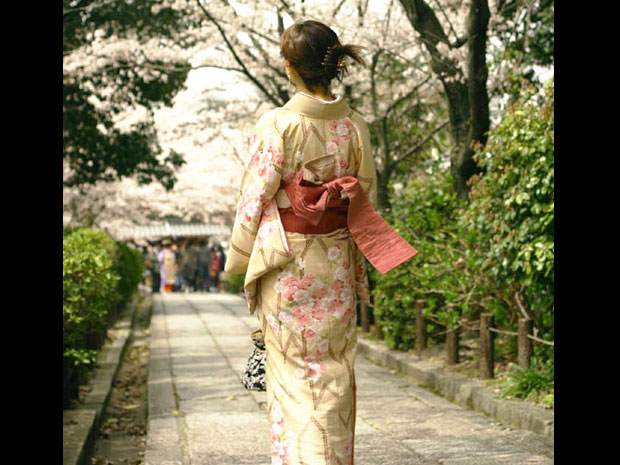
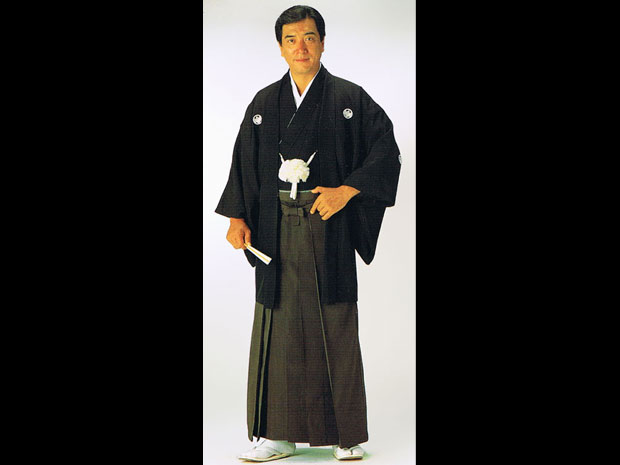
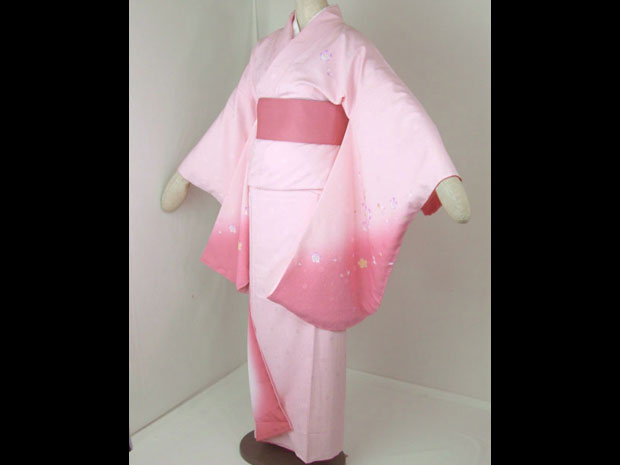
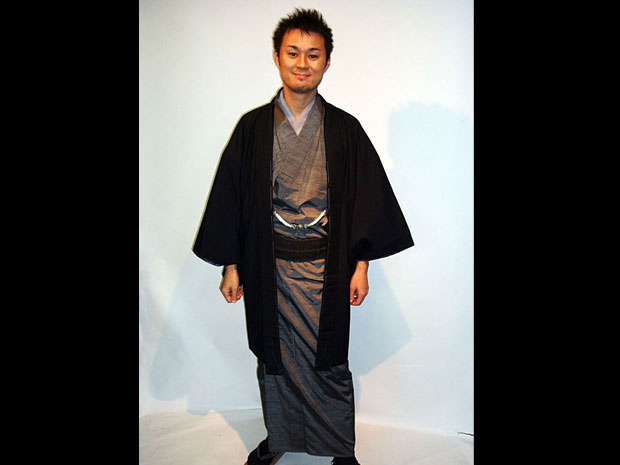
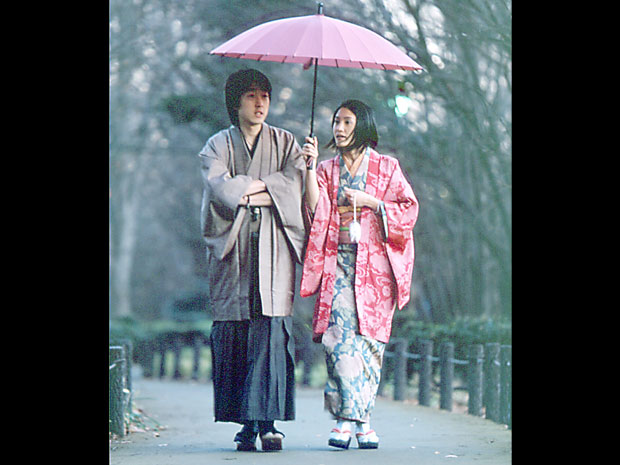
There are obvious differences in dressing kimono between man and woman.
The typical woman's kimono outfit consists of twelve or more separate pieces that are worn, matched, and secured in prescribed ways, and the assistance of licensed professional kimono dressers may be required.
In contrast to women’s kimono, men’s kimono outfits tend to be much simpler. Men’s kimonos generally have muted colors like black, gray, brown, and dark blue, while women’s kimonos are colorful. People wear different kimono in specific situation.
-
Kimonos are really expensive and wearing a kimono is confining and it is too difficult to put on. However, there are many new methods and services to enjoy kimono such as rent a kimono.
There are a lot of kimono rental shops that offer Kimono rental for visitors wishing to experience Japanese culture.
You can rent Kimono for few hours to take a walk wearing Kimono around town. The kimono rental price depends on the location and the seasons.
-
Unfortunately, in today’s modern world, Japanese people rarely wear kimonos in everyday life.
They wear kimonos for attending wedding, funerals, tea ceremonies, or other special occasions. They also wear kimonos for special events, such as summer festivals.
The opportunities to wear kimonos are becoming fewer and fewer. Consequently, many Japanese have begun wearing Yukata or summer kimonos.
- POINT!
- Hems of Kimono will be rolled up if you stride, so it’s better to walk in small steps than usual.
|
|